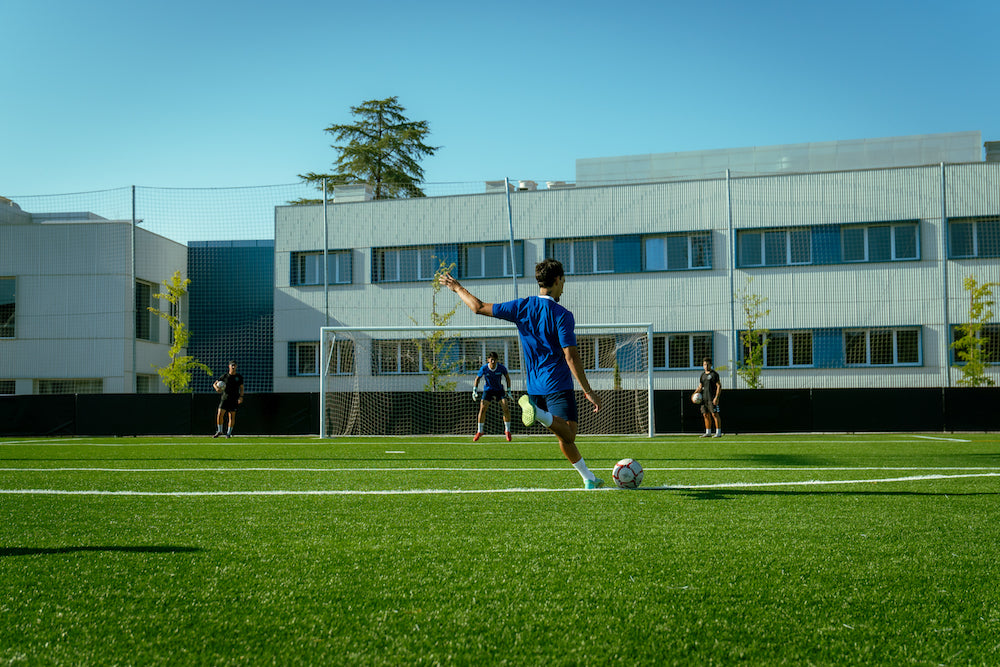


When is a child ready for competitive soccer? The best answer is not a single age or a perfect highlight reel. A child may be ready when they want a greater challenge, can participate consistently in structured training, respond to coaching, and have the emotional and family support to handle a more committed team environment.
Explore GFI Academy no-fee tryout opportunities
For Houston families, moving from Recreation to Competitive should be a thoughtful development decision. Competitive soccer can help a player grow through more demanding training, league play, and team responsibilities, but the right level should stretch a child without making the game feel overwhelming. This guide gives parents a practical checklist, explains what age can and cannot tell you, and outlines what to expect from a GFI Academy evaluation. Families who are still comparing options can also review GFI Academy's youth soccer pathway guide for broader program context.
What Is the Difference Between Recreational and Competitive Youth Soccer?
Recreational soccer is generally an accessible starting point with a focus on enjoyment, fundamentals, and participation. Competitive soccer adds more structured training, formal team placement, regular league play, and a higher family commitment. Neither is automatically better. The right choice depends on a player's goals, readiness, confidence, and appetite for a new challenge.
| Factor | Recreation | Competitive |
|---|---|---|
| Primary goal | Build confidence, skills, and enjoyment | Develop through structured challenge and league play |
| Team environment | Inclusive, non-competitive, in-house play | Evaluated placement and competition against organized teams |
| Training demand | Regular age-appropriate training | More demanding training and greater consistency expected |
| Family commitment | Seasonal participation with a simpler schedule | More planning for practices, games, tournaments, and travel |
GFI Academy Recreation welcomes players of different experience levels in a non-competitive environment. GFI Competitive teams serve boys and girls born from 2017 through 2006 and compete in South Texas and Houston leagues, tournaments, and showcases. A player does not need to be the strongest child in a Recreation group to begin exploring the next level.
Parents can review GFI Academy Recreation when a child is still building confidence or wants a lower-pressure introduction. Families considering a more structured pathway can read the GFI Academy Competitive program details before scheduling an evaluation.
What Are the Signs a Child Is Ready for Competitive Soccer?
A child is more likely to be ready for competitive soccer when motivation, habits, coachability, game understanding, and emotional readiness are developing together. A player does not need to check every box perfectly. The checklist helps parents identify whether a conversation with a coach or a no-fee evaluation makes sense.
- They want to improve. The child asks to practice, watches soccer, enjoys learning new skills, or wants a challenge beyond the current team.
- They can follow a structured session. The player can listen to instructions, move between activities, and stay engaged even when a drill is difficult.
- They respond to coaching. The child can try a correction without treating feedback as criticism and can make another attempt after a mistake.
- They show basic game awareness. They begin to look for teammates, understand space, recognize when to defend, and make simple decisions rather than only chasing the ball.
- They can handle healthy competition. They understand that playing time, results, and team roles may vary, and they can compete without losing respect for teammates.
- They recover from mistakes. A missed pass or lost game may be disappointing, but the child can rejoin the activity and keep learning.
- They can commit to attendance. The player is ready to attend training and games reliably, not only when the activity feels easy.
- The family can support the schedule. Parents have discussed transportation, school balance, communication, costs, and the time required for a more organized program.
One weak area should not automatically rule out an evaluation. A development-focused coach can help a family understand what is already strong, what needs support, and which environment will help the player grow. Readiness is a conversation, not a pass-or-fail label.
What Age Should Kids Move From Recreation to Competitive Soccer?
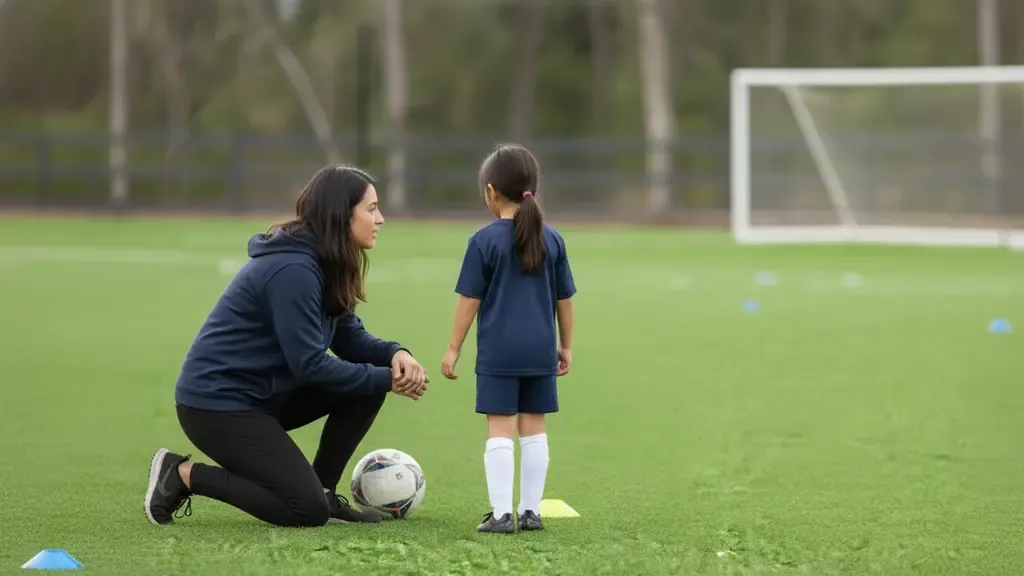
There is no universal age when every child should move from Recreation to Competitive soccer. Age and birth year help a club organize teams, but they do not measure motivation, experience, confidence, decision-making, or family readiness. A player-centered evaluation is more useful than treating a birthday as a deadline.
GFI Academy Recreation includes players born from 2010 through 2021, while GFI Competitive serves players born from 2017 through 2006. Those ranges show where programs are designed to serve players, not a promise that every child in a birth year should advance at the same time. Some players are ready for structured competition earlier, while others benefit from more time developing skills and confidence in Recreation.
The US Youth Soccer Player Development Model also emphasizes age-appropriate, player-centered development rather than rushing children toward adult outcomes. For parents, the practical question is not, "Is my child behind?" It is, "What environment will give my child an appropriate challenge right now?"
How Can Parents Tell if the Commitment Is Right for Their Family?
Competitive soccer is a family decision as well as a player decision. Before trying out, parents should understand the likely weekly rhythm, driving distance, game schedule, tournament expectations, total cost, and communication process. A good fit should be challenging enough to support development while remaining realistic alongside school, rest, family life, and other activities.
- Schedule: Can the player attend practices and games consistently without sacrificing school or recovery?
- Travel: How far are training sites, league games, tournaments, and showcases?
- Cost: What is included in annual fees, and what is separate? GFI Competitive fees vary by program. Ask for the current total, payment-plan options, financial-aid availability, and uniform requirements before enrolling.
- Communication: How will the club share schedules, updates, evaluations, and next steps? GFI Academy uses PlayMetrics for registration and ongoing parent communication.
- Development: Will coaches discuss technical, tactical, physical, cognitive, and personal growth, not only wins and standings?
- Balance: Does the environment leave room for the child to enjoy soccer and remain a whole person?
GFI Academy's Players of Life program reinforces that broader view by pairing soccer development with personal growth, leadership, and character. Parents should ask every program how it protects long-term development when results and competition become more visible.
Contact GFI Academy with questions about program fit
How Does GFI Academy Evaluate Player Readiness?
GFI Academy evaluates player readiness through the player's current abilities, response to coaching, game understanding, effort, confidence, and fit for an appropriate team environment. The purpose is not to reward a single impressive moment. It is to understand where the player can develop and what level of challenge is likely to help next.
During an evaluation or tryout, a player may be asked to demonstrate technical skills, participate in small-sided activities, make decisions under pressure, and work with other players. Coaches may observe how the child receives instructions, reacts after a mistake, competes respectfully, and stays engaged when the activity changes.
Parents can improve the experience by helping the player arrive rested, prepared, and focused on learning. Avoid promising a specific team or turning the session into a test of identity. A calm message such as "listen, work hard, and show how you play" gives the child room to perform naturally.
GFI Academy's Players Centric Methodology considers technical, tactical, physical, cognitive, and personal qualities. That approach supports a placement conversation based on development rather than on status alone. A player may receive a recommendation for Competitive, benefit from another Recreation season, or be guided toward a different GFI pathway as their needs change.
What Should Families Expect at a GFI Academy No-Fee Tryout?
A GFI Academy no-fee tryout gives competitive and high-performance prospects an opportunity to be evaluated by the coaching staff before choosing a program. Families should expect soccer activities, observation of player habits and decisions, and a follow-up conversation about possible placement and next steps. Tryout details can vary by season and birth year, so families should use the current GFI tryout page.
- Review the current details. Check the GFI Academy tryouts page for the applicable locations, birth years, and schedule.
- Choose the right goal. Tell the player the objective is to learn whether the environment fits, not to prove they are already finished developing.
- Bring the basics. Arrive with appropriate soccer clothing, cleats, water, and enough time to settle in.
- Watch the whole session. Coaches evaluate more than speed or a single shot. Effort, decisions, teamwork, and response to feedback all matter.
- Ask questions afterward. Parents should ask what the coach observed, what level is recommended, what the schedule requires, and what the next step will be.
Families exploring soccer for a younger or less experienced player can also consider GFI Academy's free youth soccer clinic. A clinic can be a more comfortable entry point when a child is curious about soccer but not ready for a formal competitive evaluation.
Frequently Asked Questions About Competitive Soccer Readiness
Is there one correct age to start competitive soccer?
No. Age and birth year help organize teams, but motivation, habits, coachability, game understanding, emotional readiness, and family commitment are also important. A coach evaluation can help identify the right challenge for an individual player.
Does my child need to be the best player on the Recreation team?
No. Competitive readiness is not the same as being the strongest player in one group. Coaches should consider how a player learns, makes decisions, responds to feedback, and handles challenge, then recommend an environment that supports continued development.
What if my child is nervous about trying out?
Nerves are normal, especially when the player cares about the opportunity. Explain that the tryout is a way to learn about fit, encourage effort and listening, and avoid presenting placement as a judgment of the child's value.
Can a player return to Recreation after trying Competitive soccer?
Families should discuss the available pathway and current program options with GFI Academy staff. Player needs can change with age, school, confidence, schedule, and goals, so the right next step should be evaluated over time.
What is the next step if we are still unsure?
Parents can contact GFI Academy with questions, review the Recreation and Competitive program pages, or attend an applicable no-fee tryout. If the child is newer to soccer, the free youth soccer clinic may be a lower-pressure starting point.
Readiness Means the Right Challenge, Not the Fastest Promotion
A child may be ready for competitive soccer when they want to improve, can engage with structured coaching, respond to setbacks, and have a family plan that supports consistent participation. The goal is not to move up as quickly as possible. The goal is to find an environment where the player can develop skill, confidence, character, and a lasting love of the game.