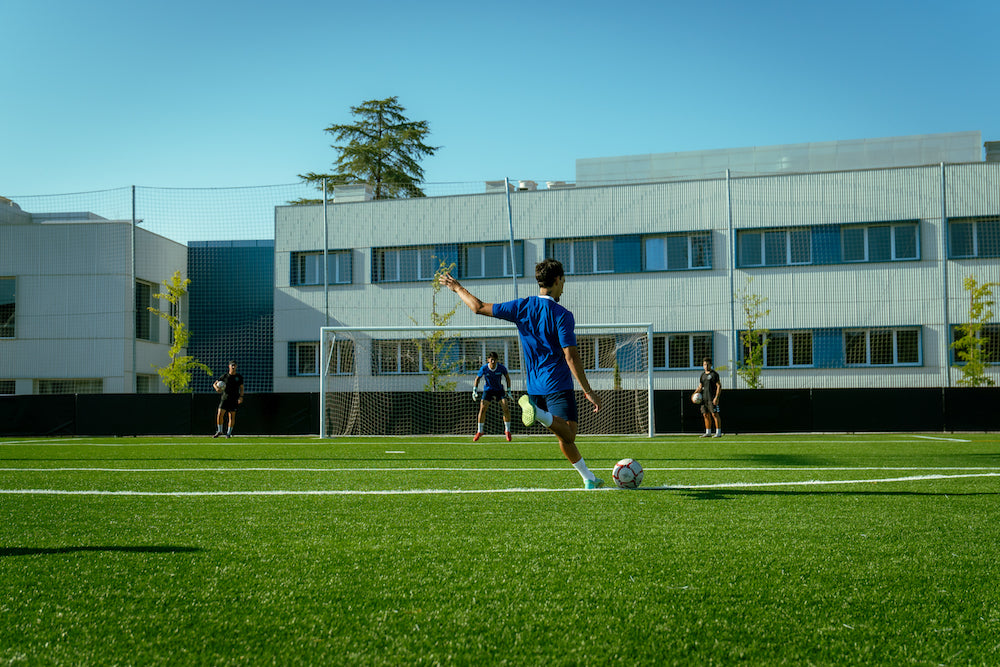


A good training session does not end when the final ball is put away. Youth soccer recovery starts with simple habits that help a player feel ready for school, family life, and the next practice. Parents do not need complicated equipment or a perfect routine. They need to notice how their child feels, offer food and fluids, protect sleep, and respond appropriately when something seems wrong.
Explore GFI Academy Recreation
What does youth soccer recovery include?
Recovery is the time and care a player needs after physical and mental effort. It includes more than stretching. A useful family routine can involve a calm transition after training, drinking to thirst, eating a balanced meal or snack, getting enough sleep, and checking for pain or unusual fatigue.
There is no single routine that fits every player. A short, familiar practice may feel different from a demanding session, a tournament weekend, or a day when a player is also managing school stress. Age, experience, weather, session intensity, health, and individual needs all matter. Think of recovery as a conversation with your child, not a checklist to enforce.
GFI Academy serves players across Recreation, Competitive, and High Performance programs. The soccer experience and training demands differ across a player’s pathway, so families can use the same basic principles while adjusting them to the child and the day. Learn about the academy’s player-centered methodology and its emphasis on development beyond the result of one match.
A practical routine can be short. On the way home, ask whether the player feels okay and offer water. At home, let them change, wash up, and have a familiar meal or snack when ready. Later, make room for the usual bedtime routine. A different order may work better for your family, and a player does not need to complete every step in a fixed number of minutes.
Keep the routine flexible rather than turning it into another performance test. If your child wants to talk, listen; if they are quiet, give them a little space and check in again later. Children may not always know how to describe tiredness or discomfort, so calm, open questions can help them share what they notice without feeling they have to give the “right” answer.
What can a player do right after practice?
The first few minutes are a chance to shift gradually from activity to rest. If the coach has led a cool-down, encourage your player to follow it. Otherwise, easy walking and relaxed movement can help make the transition feel less abrupt. There is no need to turn the ride home into another workout.
- Pause and check in. Ask how the session felt and whether anything hurts. Give your child space to answer honestly without making every response about performance.
- Change out of damp clothing. Pack dry clothes and a towel when practical, especially after a warm or rainy session.
- Offer water. Make fluids available and let the player drink according to thirst. Bring a water bottle to practices and games, and follow any specific guidance the coach or healthcare professional has given your family.
- Keep the ride home calm. A player may want to talk about a moment from practice, or may need quiet. Save detailed analysis and corrections for another time.
Parents can also make recovery easier before the session ends. Keep a filled bottle, a simple snack, and a change of clothing in the car or bag. That small bit of preparation reduces the chance that a tired, hungry player has to wait while the family searches for supplies.
For a family with more than one child or a long drive, decide ahead of time what happens after practice. A cooler with a familiar snack, a plan for dinner, and a clear place for muddy gear can make the evening smoother. Keep food choices simple and safe for your child’s needs. The aim is not to create an elaborate recovery station; it is to remove a few avoidable hassles so the player can settle in.
In warm weather, pay attention to how the player seems and to the conditions around the session. Offer shade and a chance to cool down when appropriate. If a child seems unwell, unusually weak, confused, or otherwise concerning, stop activity and get help rather than assuming that ordinary tiredness explains it. When in doubt, contact a qualified healthcare professional or emergency services for urgent symptoms.
What should young players eat after soccer?
After activity, offer familiar foods that fit your family’s normal routine. A balanced meal or snack can include a source of carbohydrates, protein, and other nourishing foods. Examples include yogurt with fruit and cereal, a sandwich with fruit, or a family meal with rice or potatoes, vegetables, and a protein food. These are ideas, not a prescribed menu or a requirement to eat immediately.
Let hunger guide the conversation. Some players are ready to eat soon after practice; others need time to cool down first. Pack something easy if dinner is delayed, and avoid making food a reward for playing well or a punishment for mistakes. If a player has allergies, dietary needs, or a medical condition, follow the family’s established plan and seek personalized advice from a qualified professional when needed.
Fluids matter too, but families do not need to guess at a special formula. Make water readily available and encourage regular drinking around activity. Do not pressure a child to consume large amounts quickly. In hot conditions, during prolonged activity, or when a player feels unwell, use good judgment and contact a healthcare professional if you are concerned.
How much rest does a young soccer player need?
Sleep is a central part of a child’s overall well-being. A predictable bedtime routine, a comfortable sleep environment, and enough time to wind down can support consistent rest. The exact sleep need depends on a child’s age and individual circumstances, so families should use pediatric guidance rather than a one-size-fits-all number.
After late practices, focus on making the transition home manageable. Prepare equipment and school items earlier in the day, keep the post-practice routine simple, and avoid adding extra conditioning when the player is already tired. If late sessions repeatedly interfere with sleep, school, mood, or family routines, talk with the coach about the overall schedule and what adjustments may be possible.
Rest also means having time away from organized soccer. Unstructured play, hobbies, school, family time, and a day that is not centered on training all contribute to a healthy childhood. A player who is persistently exhausted, dreading sessions, or struggling to recover deserves a thoughtful conversation with a parent, coach, or healthcare professional—not an assumption that they need to try harder.
How can families recognize soreness versus a possible injury?
A player may feel generally tired or mildly sore after exertion. But pain that is sharp, worsening, focused in one area, changes how a child walks or runs, or returns each time the player trains should not be brushed aside. These observations do not identify a diagnosis. They are reasons to pause, ask questions, and get appropriate medical advice.
Use a simple check-in: Where does it hurt? When did it start? Is it getting better, worse, or staying the same? Does it affect ordinary movement or sleep? Avoid asking a child to prove they are tough by continuing through pain. If you are uncertain, seek guidance from a qualified healthcare professional before the player returns to activity.
Concussion concerns need particular care. A blow or jolt followed by symptoms such as headache, dizziness, confusion, nausea, or unusual behavior calls for prompt attention from a qualified medical professional. Do not use a child’s ability to finish practice as proof that everything is fine. Research has specifically examined symptom recovery after youth soccer-related concussion; families can read the published study, A Longitudinal Investigation of Symptom Recovery, for context. The article is not a substitute for an individual evaluation or return-to-play guidance.
How do recovery needs change across a player’s pathway?
Recovery is personal, and program labels do not tell a parent exactly how a child feels after a particular session. The table offers a way to frame family questions, not a medical protocol or a promise about practice schedules. Ask the player, notice what changes from their normal, and raise concerns with the appropriate adult.
| Situation | Family focus | Helpful next step |
|---|---|---|
| New or recreational player | Comfort, enjoyment, basic routines | Offer water and a snack, keep the transition easy, and ask what the player enjoyed. |
| Regular competitive training | Consistency across practice, school, and rest | Plan meals and gear ahead; discuss recurring fatigue or pain rather than ignoring it. |
| High-performance demands or a busy week | Overall load, sleep, mood, and recovery between commitments | Help the player speak up early and ask the coach or healthcare professional about concerns. |
| Possible injury or concussion symptoms | Safety, not completing the session | Stop activity and seek qualified medical guidance before return to play. |
GFI Academy’s pathway includes Recreation, Competitive soccer, and High Performance opportunities such as GA Aspire. Families can review program information and ask questions about fit; no family should infer an individual player’s recovery needs from a program page.
What can parents do to make recovery supportive?
Parents have a useful role without becoming a second coach. Start with open questions, listen, and avoid evaluating every touch on the drive home. A supportive exchange could be as simple as, “How are you feeling after practice?” followed by, “Would you like a snack or a little quiet?” That gives the player room to notice and communicate their own needs.
Build a practical kit together. It might include a water bottle, a snack that suits the child, dry clothing, and any family-approved supplies. Check the kit before a busy week rather than relying on a tired player to remember everything after training.
Keep communication direct and specific. If a player reports ongoing pain, unusual exhaustion, or a change in mood, tell the coach what you have observed and ask what information would help. For health concerns, consult a qualified healthcare professional. A coach can discuss the soccer environment, but should not replace medical care.
GFI Academy has locations serving The Woodlands, Grand Oaks, Central Houston, and Sugar Land. Families can check GFI Academy locations and the GFI Performance Center facilities as they consider how travel and routines fit into family life. Account for the trip home when planning dinner, homework, and bedtime.
How can families adapt after a busy week?
A routine that works after one practice may not be enough to make a crowded week feel manageable. Look at the whole calendar, including school, travel, games, practices, and time to relax. You do not need to calculate a training score. A basic view of the week can help you notice when the player has little room for meals, sleep, or unstructured time.
- Plan the essentials. Before a busy stretch, check when the family can eat, how equipment will get to the field, and whether the player can settle down at a reasonable time after returning home.
- Notice patterns. Keep an informal note if your child repeatedly reports the same pain, seems unusually tired, or loses interest. One difficult day does not tell the whole story, but a recurring pattern deserves attention.
- Ask the player what feels hardest. A child may be more concerned about homework, the drive, or missing downtime than the practice itself. Listen before jumping to a solution.
- Communicate early. If the routine is not working, ask the coach what flexibility or information is available. For medical concerns, speak with a qualified healthcare professional.
After a tournament or several demanding days, avoid treating an extra workout as the automatic answer to feeling behind. Let the player’s well-being guide the family conversation, and seek individualized guidance when health or return-to-play questions come up. Coaches can explain soccer expectations, while healthcare professionals address medical decisions.
How should recovery fit into choosing a soccer program?
A program decision is about more than the team name or the next match. Families can consider the child’s interest, developmental goals, school and family commitments, travel, and how the overall routine feels. Ask clear questions about expectations and communication. Consider whether your player feels comfortable raising a concern or asking for help.
GFI Academy offers a development pathway for Greater Houston families, from Recreation through Competitive and High Performance. Its tryouts information can help competitive prospects understand a next step, while the Recreation program page is a place to explore an entry-level option. These pages explain programs; they do not replace a conversation about an individual child’s circumstances.
Explore GFI Academy program options
Frequently asked questions
Should my child stretch after every soccer practice?
Follow the coach’s warm-down guidance and keep movement comfortable. Stretching should not be painful or forced. If a child has an injury or a specific health concern, ask a qualified healthcare professional what is appropriate.
What if my player is not hungry right after training?
Do not force an immediate meal. Offer water and a familiar snack or meal when the player is ready, while keeping the family’s normal schedule in mind. If appetite changes persist or you have health concerns, consult a healthcare professional.
Can a player train if they are sore?
That depends on the cause and severity, which cannot be determined from a general article. Ask where it hurts and whether movement is affected. Pause activity and seek medical advice for significant, worsening, persistent, or concerning pain.
What should we do if we suspect a concussion?
Stop participation and arrange prompt assessment by a qualified medical professional. Do not let the player return to soccer based only on feeling better or wanting to continue; follow professional guidance for recovery and return to play.
What should your family take away?
Helpful youth soccer recovery is built from everyday attention: offer fluids and nourishing food, make room for rest, and ask how your child feels. Treat pain or possible concussion symptoms seriously, and involve qualified professionals when health questions arise. A player’s long-term development is best supported when physical well-being, confidence, learning, and family life all matter.