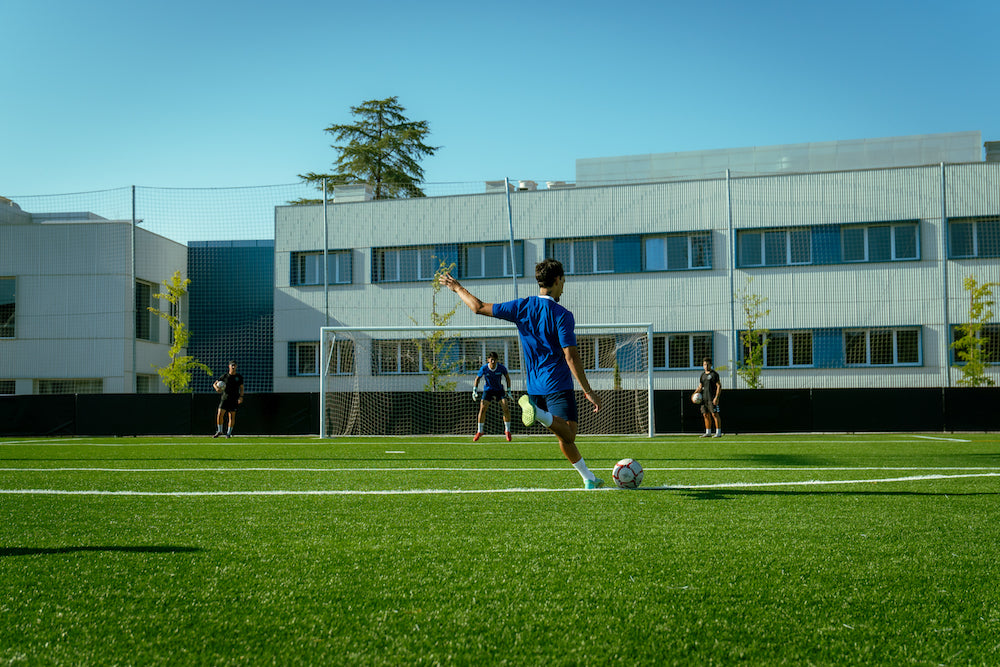


Good youth soccer nutrition does not need to be complicated. For most families, a useful starting point is familiar food, enough time to digest, and access to water before and during training. The right choice depends on the player, the schedule, and how their body feels. This guide shares practical ways to plan without treating food as a performance shortcut or a strict rulebook.
Explore GFI Academy soccer programs
What should a young player eat before soccer training?
A pre-training meal or snack can help a player arrive feeling ready to move. A practical choice often includes carbohydrate-rich foods for energy, plus familiar foods that make the meal satisfying. Examples might include oatmeal with fruit, a sandwich, yogurt with cereal, or a banana and toast. These are examples, not a required menu. Families should use foods the player already tolerates well.
There is no single meal that suits every child. Appetite, age, activity level, practice time, food preferences, allergies, and medical needs all matter. A player who eats an ordinary meal a few hours before practice may need only a small snack later, while someone coming straight from school may need a more substantial option. Notice how the player feels rather than judging a meal by a rigid formula.
How far ahead should players eat?
Timing is personal. Many players are more comfortable with a regular meal several hours before activity and, if needed, a smaller snack closer to training. A large meal immediately before running may feel uncomfortable for some children. Others may feel hungry if the gap is too long. Start with the family’s normal routine, leave a sensible digestion window when possible, and adjust gradually based on comfort.
| Timing | Possible approach | What to notice |
|---|---|---|
| A few hours before | Serve a familiar meal, such as a sandwich with fruit or rice with a usual protein. | Does the player feel comfortably satisfied, not overly full? |
| About one or two hours before | If hungry, offer a modest, familiar snack such as fruit, toast, or yogurt. | Choose an amount the player can comfortably digest. |
| Shortly before | Keep it light if the player wants something; water may be enough. | Avoid unfamiliar foods or pressure to eat. |
| After practice | Offer water and the next normal meal or snack when convenient. | Respond to hunger and follow the child’s routine. |
These are flexible planning ranges, not medical instructions or guarantees. Training duration, intensity, heat, and the individual player change what feels comfortable. A parent can ask what the player ate and how it felt, then make small adjustments next time. For a family that wants to improve its routine, changing one variable—such as moving a snack earlier—is easier to assess than changing the food, amount, and timing all at once.
Which snacks work before youth soccer?
Useful snacks are portable, familiar, and easy for the player to eat. Try a banana, applesauce, crackers, toast, a simple cereal bar, or a small yogurt if it suits the child and can be kept safely. A snack does not need to be marketed as a sports product. Everyday foods are often convenient, and a child should not have to finish a particular item to prove they are prepared.
- For an after-school practice: pack a snack the player already likes, plus water, so there is an option between school and the field.
- For a sensitive stomach: keep portions modest and avoid testing a new food right before exercise.
- For a long gap before practice: plan a more substantial snack or an early meal instead of relying on a last-minute bite.
- For a team session: check the venue and family routine for a suitable place to eat and store food.
Think through practical details, too. A snack that needs refrigeration may not suit a long car ride unless the family has a cooler. Crumbly or messy foods might be awkward to eat in a short break. A child who has only a few minutes between school and travel may do better with something simple to carry. The best plan is the one the player will comfortably eat and the family can reliably manage.
Food allergies and dietary restrictions need individual care. Families should follow the child’s established plan and consult a qualified health professional for personal nutrition concerns. Coaches can help with general logistics, but they do not replace a clinician or registered dietitian. If a player has recurring stomach discomfort or another health concern, avoid experimenting with food as a substitute for individualized advice.
How should families plan hydration?
Make water readily available before practice and bring a bottle the player can use during breaks. Encourage regular opportunities to drink, especially in warm conditions, but do not force a child to consume a fixed amount. Needs vary with weather, effort, age, and the individual. Ask the coach what breaks and water access look like at the training location, and follow any relevant medical guidance.
Houston weather can be warm and humid, so families should pay attention to how the player is coping rather than relying on a one-size-fits-all schedule. If a child feels unwell, unusually weak, dizzy, or confused, stop activity and seek appropriate help. The CDC guidance on heat and health explains that heat can cause illness and advises taking steps to stay safe in hot conditions. For health concerns, use medical advice rather than trying to solve the issue with a particular drink or snack.
On a hot day, think beyond the bottle. Check the forecast, make sure the player has access to shade during breaks when available, and pay attention to changing conditions. A child who is not feeling well should tell an adult promptly. Families can ask how water breaks work at the venue ahead of time, rather than discovering the logistics at the field. These simple preparations support safer participation without promising that a particular routine prevents every problem.
Related products


It is a meaningful choice for ambitious young athletes and families who believe in the #WeBuildPlayers spirit.
View productWhat changes on match or tournament days?
The basic approach stays familiar: plan ahead, offer foods the player knows, and make water accessible. A busy day may involve travel, waiting, and more than one activity, so pack simple choices and check the schedule. Avoid using a match as the first test of a new meal, supplement, or energy product. When there are multiple games, ask the coach about breaks and the expected day structure, then prepare accordingly.
For example, a morning kickoff may mean breakfast at home and a familiar snack packed for later. For an afternoon match after a long drive, a planned stop or packed meal can prevent the family from relying on whatever happens to be available at the field. A tournament schedule can shift, so keep a few uncomplicated options on hand and use the actual gaps between games to decide when they make sense. There is no need to turn a day of soccer into a complicated food timetable.
Keep the focus on the child’s comfort and enjoyment. Food should not become a reward for scoring, a punishment after a mistake, or a source of pressure. Players develop at different rates, and needs change as they grow. A calm routine helps parents support the whole person, not only the next result.
How does food fit into long-term player development?
Training is one part of a young player’s growth. Rest, school, family routines, confidence, and wellbeing matter too. GFI Academy describes its player-centered approach as developing technical, tactical, physical, cognitive, and personal qualities. That broader view can help families think about sustainable routines rather than searching for a single food that promises better play.
Families can learn how GFI Academy presents its Recreation program and Competitive program, or review its player-centered methodology. The academy serves Greater Houston families through locations in The Woodlands, Grand Oaks, Central Houston, and Sugar Land; its locations information can help families consider practical travel. Program fit depends on the player’s age, experience, goals, and family schedule; nutrition alone does not determine readiness.
Families comparing development options can also explore the tryouts information when relevant, and read more about DPL soccer or GA Aspire. These pathways are not nutrition plans. They are program information to review separately, alongside the family’s priorities, the player’s interests, and the realities of school and travel.
How can parents make a simple practice-day plan?
- Check the schedule. Note when the player finishes school, when training starts, and how much travel time is needed.
- Offer a familiar meal or snack. Choose a realistic option that fits the gap and the child’s appetite.
- Pack water. Make sure the player can reach it and knows when breaks are available.
- Ask how it felt. Afterward, check for comfort and hunger without turning the conversation into a performance review.
- Adjust one thing at a time. If the routine did not work, shift timing or portion modestly next time rather than making several changes at once.
Consider two common weekday situations. In the first, practice starts soon after school ends and there is a drive to the field. Pack a familiar snack before the day begins, so the player is not making a rushed choice while leaving school. In the second, practice starts later after an early dinner. The player may prefer a small snack if hungry, or no additional food if comfortably satisfied. These are planning examples, not rules that every child should follow.
A quick family check-in can make the routine more useful. Ask: Was the food easy to eat? Did the timing feel comfortable? Was water available? What would the player change next time? Keep the discussion neutral. If the answer is that everything felt fine, there may be no reason to alter anything. If something felt uncomfortable, adjust a small part of the plan and observe the next session.
How can families keep food planning positive?
Children benefit when meals remain part of ordinary family life, not a test of commitment to soccer. Avoid labeling a food as the secret to success or implying that a player caused a poor performance by eating the “wrong” thing. Match results and energy can be affected by many factors, including sleep, stress, heat, practice demands, and normal variation in how a child feels.
Let the player have an age-appropriate voice in choosing among suitable options. One child may prefer fruit and toast, while another likes a sandwich. Parents can set practical boundaries around allergies, timing, and what can be packed, while still allowing preference. If a child’s appetite changes, that alone does not establish a problem; persistent concerns about eating, growth, energy, or health deserve guidance from a qualified professional.
Frequently asked questions
Does every player need a special sports drink?
Not necessarily. For ordinary family planning, provide water and follow the player’s individual health needs and any qualified medical advice. Do not assume that a marketed sports product is required for every practice.
Should a child eat if they are not hungry before practice?
Do not force food. Offer a familiar option if appropriate, keep water available, and watch how the player feels. If appetite, energy, or health concerns persist, discuss them with a qualified health professional.
Can players try a new snack on game day?
It is more practical to test foods during an ordinary day, not right before an important match. A familiar snack makes it easier to notice whether timing or portion size feels comfortable.
What if my child has an allergy or a medical nutrition need?
Follow the child’s care plan and get individualized guidance from a qualified clinician or registered dietitian. General team advice should not replace that plan.
Where can families learn about GFI Academy programs?
Start with the Recreation information or explore Competitive soccer to compare broad program pathways. Families can also review locations and the tryouts page when relevant to their player.
What should your family take away?
For youth soccer nutrition, keep the routine simple: choose familiar foods, leave time to digest when possible, bring water, and adapt to the child’s comfort and schedule. For questions tied to allergies, health, or a specific nutrition plan, seek qualified individual guidance. A steady, supportive approach lets young players focus on learning, moving, and enjoying the game.